accessibility help | site map | graphics version | text version
Art enthusiasts will really enjoy this collaboration between three professional, award winning wildlife artists - Eric Watson, Carl Thompson and Jenny Mann. Each brings their own unique style to interpret the natural world.
Eric is well known for his works with light and shadow using a bold combination of pastels, pencil, acrylic, gouache and watercolours to produce works of stunning detail.
Carl, although skilled in a number of painting styles and techniques, uses the airbrush, for which he has won an international reputation. He has pioneered his technique so his work has a distinctive naturalistic and softer feel and catches the very essence of the subject.
Jenny is a young landscape and wildlife artist based in Worcester. She specialises in large scale artwork and her favourite compositions for animals are close ups of their faces to capture details and expressions. Her preferred mediums are oils for large canvas works, and chalk and charcoal for smaller ones.
A series of demonstrations by the artists will accompany this exhibition:

Medieval times were a period of fantastic creativity and development.
Did you know that during this time many of the basic technologies which underpinned the renaissance and later the industrial revolution were first developed? We now take these fundamental scientific principles for granted and forget that they were once major technological advances.
This exhibition gives people an opportunity to explore these technologies first hand, and by use of interactive exhibits allows people in an enquiring and creative way to gain a better understanding of how these discoveries continue to influence our lives today.

The Colosseum was the largest and most impressive building of its time. Completed in AD80 it was the centrepiece of the Roman Empire, a symbol of power and dominance.
Over the next hundred years thousands of prisoners, criminals, Christians and gladiators lost their lives in violent and bloody combat to amuse and entertain the Roman crowds.
This exhibition lets you find out how exactly the Romans built the Colosseum, and why it was so important to the Roman way of life. Also you will discover the truth about the lives of the gladiators - the stars of those bloodthirsty contests!
The exhibition features the model of the Colosseum that was used in the BBC programme as well as interactives that allow you to explore the Colosseum from different angles.

The Last Samurai graphically brings to life the story of the samurai and their fall from power as Japan opened up the west.
The exhibition shows the armour, weapons, costumes and props from the Tom Cruise blockbuster movie The Last Samurai - the only samurai film to be made in the west. These Oscar nominated costumes and props have come direct from California and have never been displayed in the UK before!
Visitors will discover the origins of the samurai and their extraordinary warrior code of Bushido, and learn how life was organised in feudal Japan. The exhibition also reveals the truth behind the mysterious Ninja, exploring the weapons and the training of these deadly assassins.
You will learn the story of the real last samurai, and their struggle to preserve an ancient way of life as Japan opened up to Western trade. The exhibition contains hands-on exhibits and a range of real samurai artefacts.
Please note: Entry to this exhibition is included in the normal admission price to the museum. However, for Redditch residents on Wednesdays only (when museum entrance is normally free) there is a separate charge of £2 for adults and £1 for children to visit this exhibition.

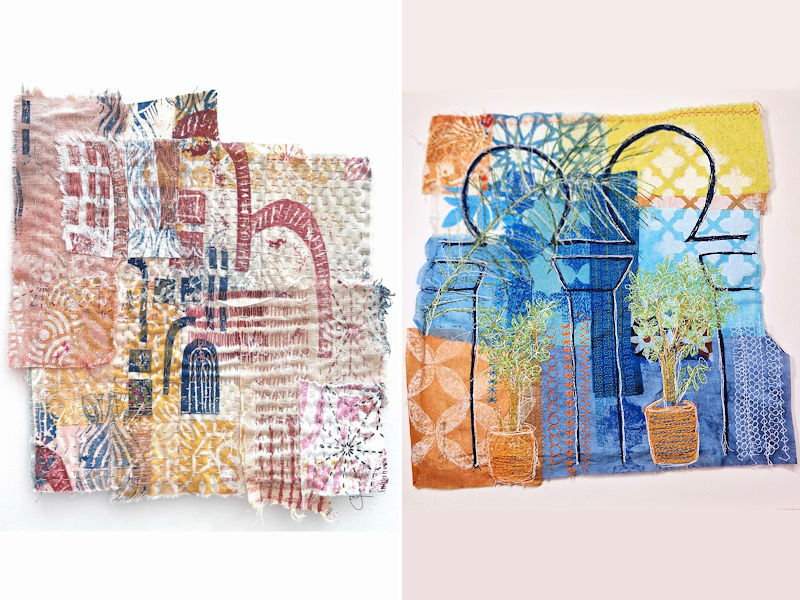
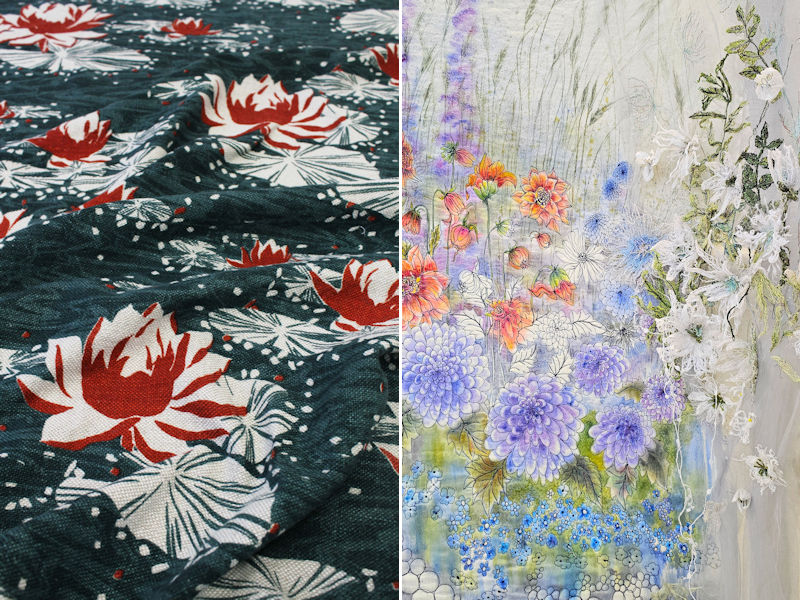
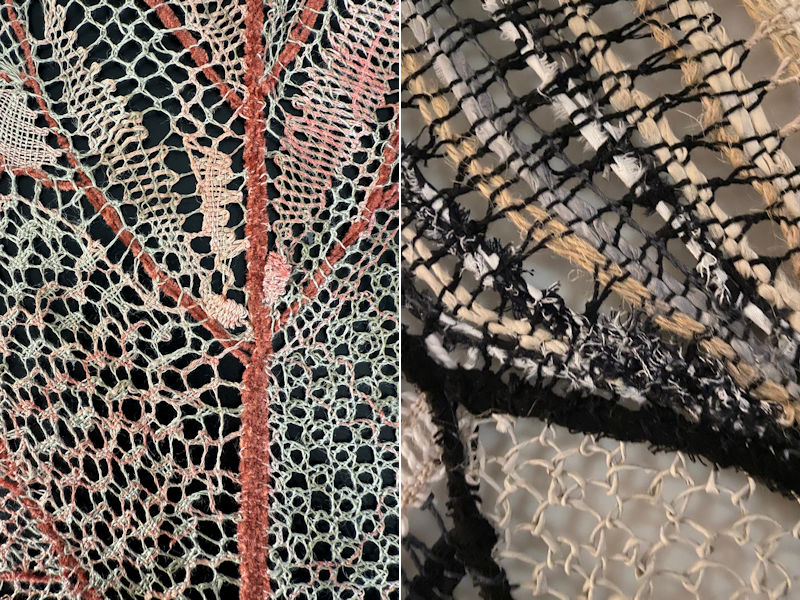
This year for our textile exhibition we thought it would be fun to set a bit of a challenge to our friends Linda and Laura Kemshall. We asked them "Could they create a new exhibition that would complement our Last Samurai exhibition? Could they produce a quilt exhibition that was totally inspired by the rich and exquisite culture of the Far East? Would they have enough time to research the techniques, delicate patterns, intricate symbols and motifs used in oriental textile work? And put it all together?"
"Yes!" they said, "we can do it! But we might need a little help from our friends."
So they have invited Hilary Beattie, Ineke Berlyn, Edwina Mackinnon, Catherine Nicholls, Annabel Rainbow, Stephanie Redfern and Marie Roper to join with them on this exciting and challenging quilt journey.
You can follow their progress on their blog (external link) as well as Linda and Laura's own website (external link).

In 2014 it will be the 50th anniversary of Redditch being designated a New Town.
To help people understand how Redditch developed, grew, thrived, prospered and survived, the Redditch Local History Society is organising a series of projects and events.
The first exhibition in the series examines how Bordesley Abbey influenced the growth of the town, looks at the early development of the transport systems through to the early industries, and social development up to the end of the Great War.
The exhibition includes a timeline of local and national events, and images and artefacts rarely seen.

In addition to the permanent exhibits at the Forge Mill Needle Museum and Bordesley Abbey Visitor Centre, we also have a wide variety of interesting and exciting exhibitions throughout the year.
The exhibitions are housed on the middle floor of the Mill building.
There is no additional charge to enter the exhibitions, since the cost is included in our normal admission rates.